

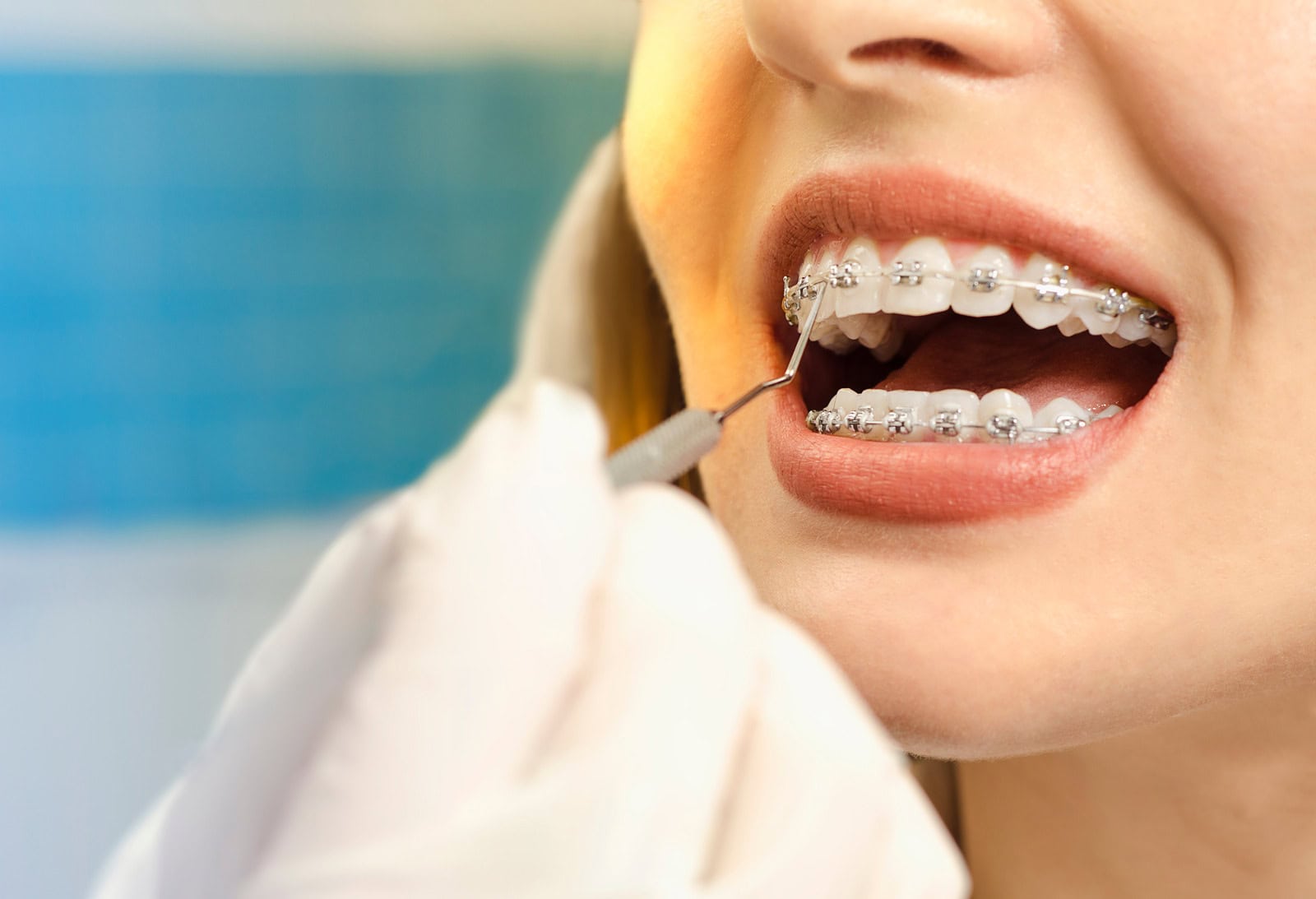
After braces, you still need a retainer to keep your teeth straight while the bone and tissues around them settle into their new positions. Most patients wear a removable retainer throughout the day for the first few months, then switch to nighttime wear long term. Many people think that treatment does not end when the braces are removed, and it is true. Retainers help to protect the results you have worked hard to achieve.
In this article, we will discuss why retainers are important, the main types, and how long to wear them. We also cover how to care for them and what to do if something goes wrong, so you can keep your teeth straight for years.
What Happens After Your Braces Come Off?
When your braces are removed, your orthodontist cleans your teeth. They take a scan or impression of your teeth and correctly fit your retainer to maintain your new position. Usually, you can start wearing your aligners right away or shortly after. This stage of treatment is equally crucial.
Your teeth may feel smoother than before, and you will feel a slight difference in your bite during the first few days. So you don’t need to worry about it because this is normal, and the feeling typically settles down quickly. During your consultation, your orthodontist will explain everything about when and how often to wear your retainer. Also, they will show you how to clean it properly and schedule regular appointments.
Why Do You Need a Retainer After Braces?
You need a retainer because a person’s teeth slowly shift back toward their previous positions once the braces are removed. The bone around them stays flexible after treatment. If you don’t wear your retainer, it can affect the results you have achieved with braces. A retainer keeps your teeth in place while the surrounding tissues settle.
The American Association of Orthodontists has shown that the same bone flexibility that allows teeth to move during treatment can also cause them to shift afterwards. So, they explain that not wearing your retainer increases the chances of relapse, which can lead to additional orthodontic treatment. Age-related changes, pressure from your tongue and lips, and jaw growth can also affect tooth positions over time. That’s why wearing your retainer regularly helps protect the results you have invested in.
What Types of Retainers Are Available?
Three main types of retainers are available: clear plastic retainers, Hawley retainers, and fixed (bonded) retainers. Your orthodontist will recommend the most suitable option based on your teeth and daily habits.
Removable Clear Retainers
Clear retainers look like clear aligners and fit closely against your teeth. They are lightweight, comfortable, and less noticeable than Hawley retainers. They can warp in hot water, so you should handle them carefully and avoid cleaning them with hot water.
Hawley Retainers
Hawley retainers use an acrylic base with metal wires and clasps. They are strong and can be adjusted when needed. Studies found that Hawley retainers were less likely to fail than clear plastic retainers. But both types worked equally well in keeping teeth straight.
Fixed or Bonded Retainers
Fixed retainers are thin wires bonded to the back of the front teeth, usually the lower ones. However, cleaning around a fixed retainer without effort You may need floss threaders, a water flosser, or interdental brushes to remove food particles and plaque. These retainers can also break or become loose, so regular checks are important.
How Long Should You Wear a Retainer After Braces?
Most patients wear a removable retainer throughout the day for the first 3 to 6 months, then switch to wearing it at night long term. The AAO recommends wearing a nighttime retainer indefinitely to help prevent teeth from shifting. Your orthodontist will give you a schedule based on your individual needs.
Retainer Wear During the First Few Months
During the first few months, you will usually need to wear your retainer throughout the day and night. Remove it while eating, drinking anything other than plain water, and brushing your teeth. This full-time routine gives the bone and gums time to adjust to your teeth’s new positions.
Long-Term Retainer Wear
After the first few months, most patients can switch to wearing their retainer every night. Teeth can continue to shift naturally as you get older, which is why long-term retainer use is important. Many people find it easy once it becomes a bedtime habit, like brushing, so try putting it in right after you floss.
What Happens If You Stop Wearing Your Retainer?
If you stop wearing your retainer, your teeth may gradually move back toward their old positions. You might also find that your retainer no longer fits properly. In some cases, small changes can happen within days or weeks of skipping regular wear. Larger changes may require new braces or clear aligners.
Changes in tooth position can cause a retainer to feel too tight or too loose. If you have missed wear for a while, contact your orthodontist before forcing it onto your teeth. Act early; it often fixes minor shifts quickly.
How to Clean and Care for Your Retainer
Clean your removable retainer daily with a soft toothbrush and mild soap. Keep it in a hard case when you remove it, and never use hot water. If you have a fixed retainer, you may need floss threaders, a water flosser, or interdental brushes to clean around the wire. Proper care helps your retainer last longer.
The AAO recommends using a soft toothbrush and mild soap to clean your removable retainer whenever you take it out. Soak the retainer in a suitable cleaning solution for around 15 to 20 minutes once a week. Also, avoid boiling a retainer because heat can warp the plastic. It’s important to store them in their case, because retainers wrapped in napkins frequently end up in the trash.
Frequently Asked Questions
Do You Need to Wear a Retainer Forever?
Ideally, you should continue wearing your retainer long-term. The AAO recommends wearing it at night indefinitely to prevent teeth from shifting.
Can You Sleep Without Your Retainer?
Missing your retainer for one night may not cause any noticeable changes, but regularly skipping it increases the risk of tooth shifting. You should return to your usual schedule as soon as possible.
How Often Should You Replace a Retainer?
You need to replace a retainer when it cracks, warps, or no longer fits. How long it lasts depends on its type, how often you wear it, and how well you maintain it.
What If Your Retainer Feels Too Tight?
If your retainer feels slightly tight after you have missed several days of wear, your teeth may have moved. Don’t force it into place if it hurts or doesn’t fit properly. Contact your orthodontist to find out what you should do next
Final Thoughts
Retainers play an important role in keeping your teeth straight after braces. Wear a removable retainer throughout the day during the initial months, then switch to every night; wash it daily. Contact your orthodontist if it breaks. With regular care, you can keep your smile looking good for many years.
At St. John’s Orthodontics, we help patients protect their results with the right retainer and a clear care plan. Book your appointment with us now to know more about maintaining your smile after braces.

St. Johns Orthodontics



A Smile Can Change Everything
Braces & Invisalign for kids, teens & adults in St. Augustine, FL. Affordable monthly payments — get started today!
Request Free Consult