

Kids’ braces usually take 12 to 24 months. For most children who need full orthodontic treatment, the average timeline is around 18 months. However, the exact timeline is decided according to your child’s specific case because a minor spacing issue and a major bite correction are two very different journeys.
If you are a St. Augustine parent researching braces for children for the first time, it is important to know that there is no single, one-size-fits-all number. However, there is a fairly predictable range. Here, we explain what shapes that timeline, from your child’s age to the complexity of the case. We also explain how regularly they follow their orthodontist’s instructions so that you can go into your first orthodontic appointment with realistic expectations.
The Short Answer: Braces Treatment Duration for Kids
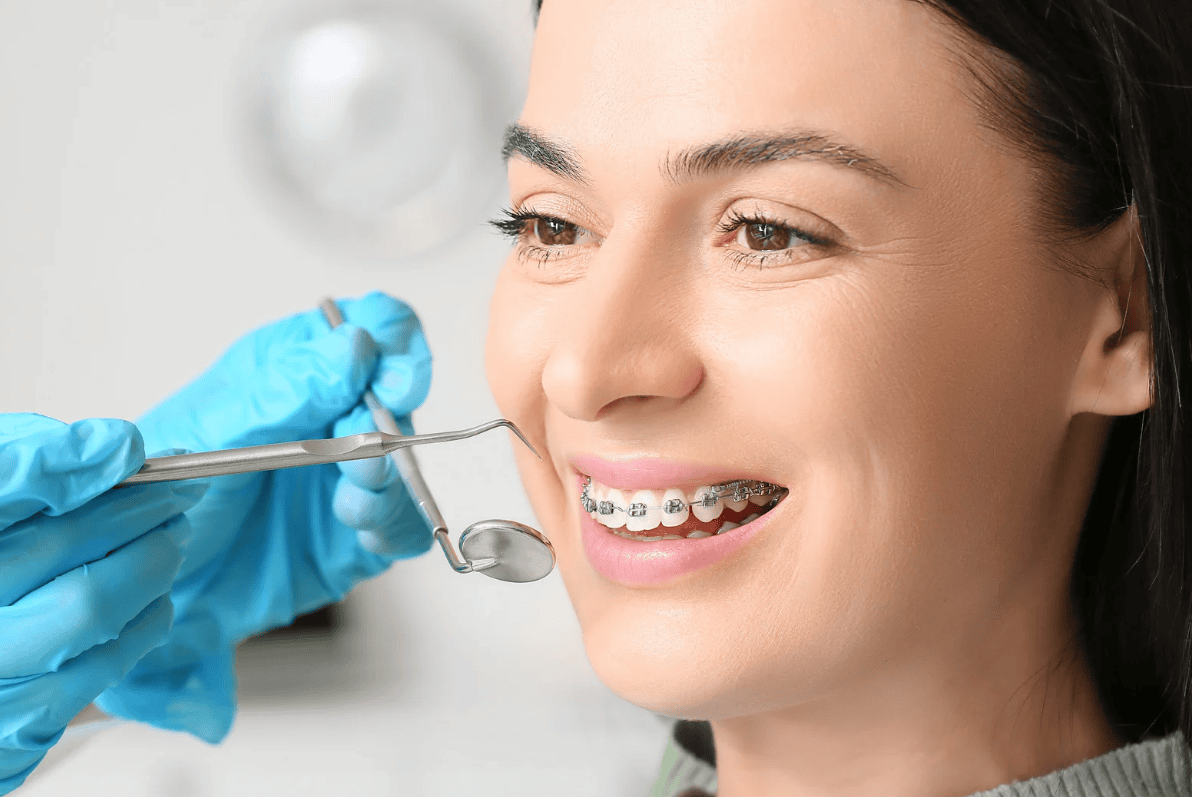
Most children wear full braces for 12 to 24 months. According to the American Association of Orthodontists, the average child completes treatment in about 18 months.
Simple cases with mild crowding or small gaps can be completed in as little as 6 to 12 months. More complex bite corrections, like severe overbites or underbites, might last up to 24 or 30 months. Age also plays a role, as younger children with actively growing jaws often respond faster to tooth movement than older children whose jaw growth has almost settled.
Braces Treatment Timelines by Phase
Many pediatric orthodontist offices, like ours here in St. Augustine, break treatment into two different phases. It depends on your child’s age and dental development. If you know both phases, it is much easier to predict where your child’s case will likely fall.
Phase 1: Early Interceptive Treatment (Ages 7 to 10)
Phase 1 treatment, often known as early orthodontic treatment, usually lasts 6 to 12 months. It focuses on guiding jaw growth and correcting biting issues while the baby teeth are still present. This phase isn’t about having a perfectly straight smile right away. Instead, it’s about creating enough space for permanent teeth to come in properly.
It can also help prevent more serious issues later. However, not all children need Phase 1 treatment; starting early can help kids with severe crowded teeth, crossbites, or jaw abnormalities. It can significantly reduce the overall time spent in braces later on.
Phase 2: Full Braces (Ages 10 to 14)
Phase 2 treatment starts once most of a child’s permanent teeth have erupted, between the ages of 10 and 14. That is what most parents imagine when they think of traditional metal braces. This phase usually lasts 12 to 24 months and focuses on completely aligning the teeth and enhancing the bite. Kids who complete Phase 1 treatment often move more quickly to Phase 2 because most of the foundational jaw work has already been done.
Simple vs. Complex Cases: How Severity Affects Treatment Time
Case severity is one of the most important factors in deciding how long braces take. It may matter even more than age. The table below shows a typical timeline depending on how complex your child’s case is.
Case Type |
Typical Duration |
What It Involves |
| Simple cases | 6 to 12 months | Mild crowding or small gaps between teeth |
| Standard cases | 12 to 18 months | Moderate crowding or general alignment needs |
| Complex cases | 24 to 30 months | Severe overbites, underbites, or major bite corrections |
| Phase 1 (early) care | 6 to 12 months | Interceptive treatment for ages 7 to 10, followed by a resting period |
Naturally, these ranges are only general guides, not guarantees. After a full orthodontic evaluation, your child’s orthodontist will give you a much more precise estimate. This usually includes dental X-rays to check how the roots and jawbone are developing beneath the surface.
When Should Kids Get Braces? Finding the Best Age
There is no one universal best age for braces because every child’s mouth develops on its own schedule. The American Association of Orthodontists recommends that children have their first orthodontic consultation by the age of 7. This does not mean your child will need braces at an early age. It just gives an orthodontist for kids a way to catch developing issues, such as crowded teeth or a coming crossbite. You can still guide natural growth. Sometimes waiting too long can end in a longer, more involved treatment process later on. This is because some issues become more difficult to fix once the jaw has finished growing.
Factors That Affect Braces Treatment Duration
Beyond age and case severity, a few common factors can quietly speed up or slow down your child’s orthodontic treatment timeline.
Growth and Age
Younger children respond to tooth movement a little more quickly because their jaws are still developing. Teenagers whose growth has mostly leveled off may respond more slowly. This is why early orthodontic treatment can sometimes reduce the overall time a child spends in braces.
Compliance and Care
You can keep treatment on schedule by following instructions for wearing rubber bands, brushing well, and avoiding hard or sticky foods. On the other hand, missing adjustment visits or broken brackets can extend the process by weeks or even months. This is because the orthodontist requires consistent, gradual pressure to maintain the teeth shifting in the right direction.
Severity of the Case
More crooked teeth or severe jaw misalignments need more time to shift into their proper position. A child with a little spacing issue will almost always finish sooner than one with a severe overbite or major crowding.
Types of Braces: Does It Affect Treatment Time?
Parents often ask if the type of braces they choose changes how long treatment takes. The answer is that it happens sometimes, but not dramatically. The table below compares some common options.
Braces Type |
Best For |
Notes on Treatment Time |
| Traditional metal braces | Most cases, including complex corrections | Handles complex tooth movement efficiently; stays on 24/7 |
| Ceramic braces | Kids and teens who want a less visible option | Works similarly to metal but is more prone to staining if not cared for |
| Clear aligners (Invisalign) | Mild to moderate spacing or crowding | Removable, so treatment time depends heavily on consistent wear |
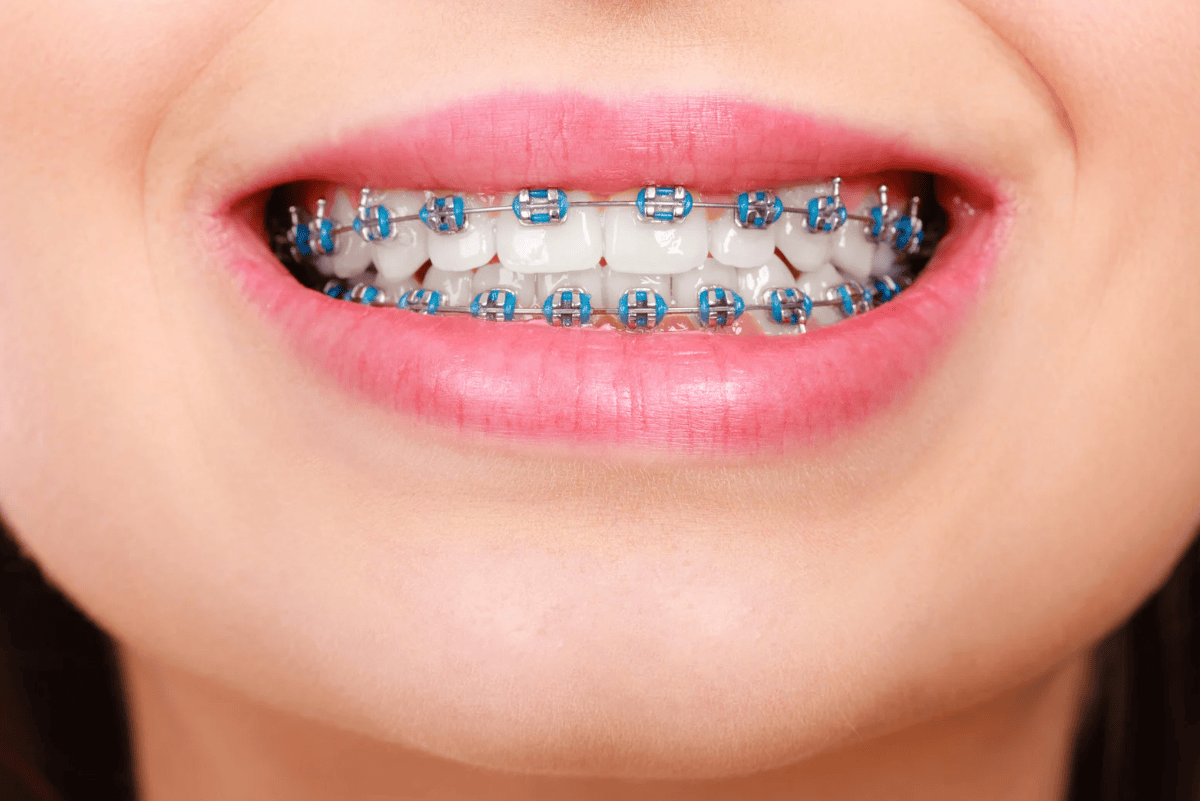
Traditional metal braces remain the most common option for kids because of durability. They can also manage complex movements efficiently. Ceramic braces work similarly, but blend in better with the natural tooth color. Some older kids and teens prefer them. Clear aligners, such as Invisalign, are removable and suitable for milder cases. They rely mostly on a child wearing them exactly as advised, which can be difficult for younger patients.
What Happens During Orthodontic Checkups and Adjustment Appointments
After getting braces, your child will need regular orthodontic checkups, usually every 4 to 8 weeks. The orthodontist can tighten wires, replace rubber bands, and track how teeth change over time. These braces adjustment appointments are a normal part of the process.
One of the most common reasons treatment takes longer than expected is because patients skip or delay them. Each visit is often short, but consistency throughout treatment keeps everything on track. It also helps keep everything on track for the final braces removal appointment.
Life After Braces: Retainers and Keeping Teeth Straight
Once the braces are removed, the work is not complete. Wearing retainers after braces is important for keeping freshly straightened teeth from shifting back to their original position. This is especially true in the months immediately after treatment. Most orthodontists suggest wearing retainers overnight for at least a year, then using them less often to maintain lasting results. One of the most common reasons families need more orthodontic care for children later is because they skip this stage. So, it is essential to treat retainer wear as seriously as the braces themselves.
Scheduling a Braces Consultation in St. Augustine
If you are not sure whether your child is ready for braces, the best next step is to schedule a braces consultation with a trusted pediatric orthodontist. A complete orthodontic evaluation, often combined with a dental X-ray, gives you a clear picture of your child’s personalized timeline. This is more useful than an overall estimate based on averages. St. Johns Orthodontics has helped other St. Augustine families with this same process. We are happy to help you understand what treatment would actually look like for your child.
FAQs
How long do braces usually take for kids?
Most kids wear full braces for 12 to 24 months. In mild to moderate cases, the common average is 18 months.
What is the best age for a child to start orthodontic treatment?
The American Association of Orthodontists recommends that children have their first orthodontic consultation by the age of 7. However, actual treatment usually starts later, between the ages of 10 and 14.
Does Phase 1 treatment shorten the total time in braces?
Yes, this happens a lot. Early orthodontic treatment can address jaw and spacing issues before they become major issues. It can sometimes make treatment faster and easier.
Do ceramic braces or clear aligners work faster than metal braces?
Not always. Treatment time is more dependent on case complexity and compliance than on the material. Metal braces are more effective at handling complex movements.
What happens if my child misses adjustment appointments?
Missed or delayed adjustment visits may slow down progress. Orthodontists rely on regular visits to apply gentle, controlled pressure to the teeth.
Do kids need to wear a retainer after braces come off?
Yes, wearing retainers after braces is necessary to prevent teeth from moving back. For the first year, it is best that you wear it every night.
Bottom Line
Braces for kids normally last 12 to 24 months, depending on your child’s age and case severity. It also depends on how consistently they follow their orthodontist’s advice. Simple cases can be completed in under a year; however, complex bite corrections might require up to two and a half years. For kids who need it, phase 1 treatment can sometimes shorten their journey.
At St. Johns Orthodontics, our team guides every St. Augustine family through a clear, honest timeline from their first visit, so there are no surprises along the way. Book a consultation with St. Johns Orthodontics today to know more about braces treatment for your child.

St. Johns Orthodontics
A Smile Can Change Everything
Braces & Invisalign for kids, teens & adults in St. Augustine, FL. Affordable monthly payments — get started today!
Request Free Consult