

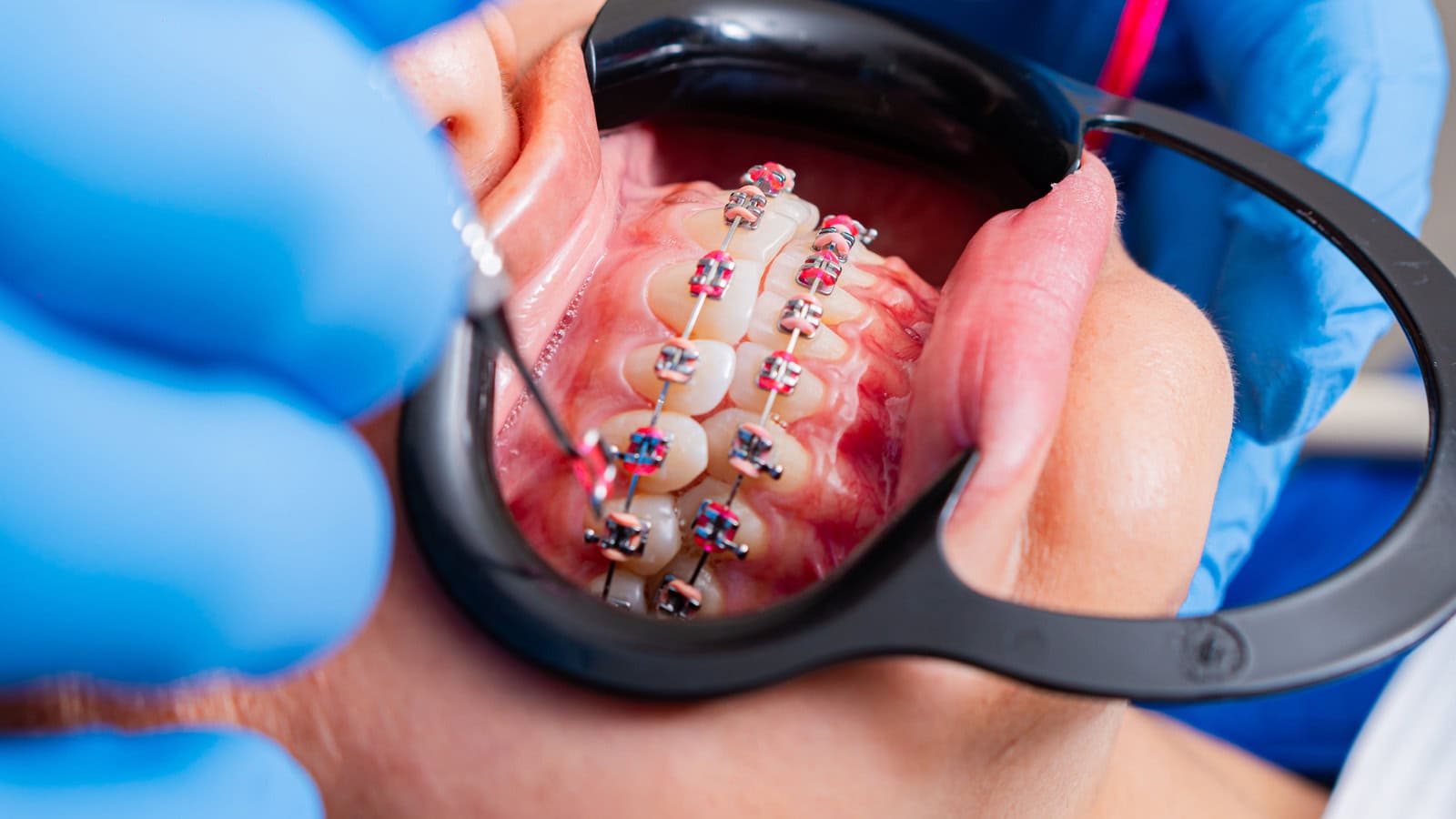
Your first orthodontic consultation in St. Augustine normally takes about 45 minutes to an hour. This is meant to be simple, informative, and relaxing. You will discuss your goals, have your teeth checked, and have images and scans taken. Your orthodontist will also discuss your treatment options, timeline, and expenses so you may choose what is best for you. Many people feel nervous before a first visit. This is mostly because they do not know what to expect or how long it will take.
This article explains each step of your visit, the exam, X-rays, and treatments your orthodontist may discuss. You will also find simple tips to help you prepare for your visit. That way, you can feel more relaxed and know which questions to ask.
What Is an Orthodontic Consultation?
An orthodontic consultation is your first visit with an orthodontist. They will examine your teeth and bite, discuss your goals, and see if you need treatment. This also helps you to choose the options that suit you. You do not have to commit to anything because it is only an informational visit. You’ll also know what to do after you go.
According to the American Association of Orthodontists, you should have a first checkup by age seven. At this age, children usually have a mix of baby and permanent teeth. Adults can book a visit at any age, so you are never too old to explore your options.

What Happens During Your First Orthodontic Appointment?
During your first visit, you will complete our health and dental forms and discuss your goals. Your orthodontist will check your teeth, take any required pictures, and discuss a treatment plan with you. The visit usually takes 45 minutes to an hour. The table below shows every step.
Stage |
What Happens |
Why It Matters |
| Check-in | You complete health and dental history forms and share insurance or payment details | Gives the team a safe, complete picture of you |
| Goals discussion | You describe what you want to change, any jaw pain or chewing trouble, and your treatment preferences | Shapes the recommended plan |
| Oral exam | The doctor checks your teeth, gums, and bite | Finds crowding, spacing, and bite problems |
| Imaging | Photos, X-rays, and digital scans or molds | Shows what the eye cannot see |
| Plan review | The orthodontist explains findings, options, timeline, and payment | Lets you decide with full information |
| Next steps | Start treatment, see a dentist first, or monitor growth | Matches timing to your needs |
Reviewing Your Dental and Medical History
Our team will ask about your dental history, current health, and any medications you use. They also ask if you have issues like jaw pain or trouble chewing. This helps your orthodontist plan your treatment safely because some conditions can affect treatment.
Examining Your Teeth and Bite
Next, your orthodontist will examine your teeth, gums, and bite in person. They will look for crowding, gaps, overbites, and underbites. Before starting treatment, they will also check your teeth and gums for any issues that may need treatment.
Checking Tooth Alignment and Jaw Position
Your orthodontist will also check how your jaw sits and moves. This is important because your jaw position and tooth alignment affect each other. Jaw clicking, shifting, or an uneven bite can help your orthodontist choose the right treatment.
Will You Need Dental X-Rays or Digital Scans?
Your first visit will usually include X-rays, photos, and digital scans or molds of your teeth. These help your orthodontist to see what is happening below the gumline and plan your treatment. The photos are usually simple and painless. Digital X-rays also use very low levels of radiation.
According to the AAO, dental X-rays give you about 0.1 to 0.8 millirem of radiation. That is usually less than one day’s worth of natural background radiation. You would need more than 100 dental X-rays in a year to achieve the federal limit for human-made radiation exposure. The AAO also notes that digital X-rays use even less radiation. Digital scans take just a few minutes and can usually replace messy dental impressions.
What Treatment Options Might an Orthodontist Discuss?
Your orthodontist may discuss traditional braces, ceramic braces, Invisalign, or other clear lingual aligners. Some children may also benefit from appliances such as expanders. Your bite, age, goals, and daily routine all affect the best treatment option. You do not need to decide before your visit.
Traditional Braces
These metal braces use brackets and wires to straighten teeth. They work for almost every bite problem and are a good option for complex cases. They stay on all the time, so you do not have to do anything extra every day.
Ceramic Braces
Ceramic braces use tooth-colored brackets, so they are less noticeable. They work much like metal braces, but they can break a little more easily.
Invisalign and Clear Aligners
They are removable, nearly invisible trays that work well for many mild-to-moderate cases. They only work when you wear them, so they are best for patients who can wear them consistently every day.
How Does an Orthodontist Create a Treatment Plan?
Your orthodontist creates a treatment plan based on your exam, X-rays, photos, and scans, along with your goals. They will choose the right appliance, schedule, and steps for your needs. Your plan covers how long your treatment will take and how often you will visit. You can ask for adjustments if it is necessary.
Some patients can begin treatment immediately. Others may need to see their main dentist first for a cavity or a cleaning. Younger children whose permanent teeth are still developing may only require regular monitoring. This is also when the team goes over your insurance coverage and payment plans.
What Questions Should You Ask During Your Consultation?
Always ask what treatment you need and how long it may take. Ask them about your options, payment plans and the total cost. You can also ask how often you’ll need visits and what to do if something breaks. These questions help you compare orthodontic offices and feel confident about your choice.
You can also get information about how to care for your braces or aligners. It is also helpful to know what results you can expect. A good orthodontist will answer your questions and explain everything in simple terms.

Do You Need a Referral to See an Orthodontist?
You usually do not need a dentist’s referral to see an orthodontist, but some insurance plans may require one. Parents and adults can contact an orthodontist directly to schedule a visit. If you are not sure, check your insurance plan before booking an appointment.
The AAO notes that parents don’t need to wait for a dentist’s referral to schedule a first check-up. Many general dentists spot orthodontic problems and suggest a visit. So, if your dentist gives you a referral, it can be helpful.
How Should You Prepare for Your First Appointment?
Before your visit, bring your insurance information and a list of questions. You should also bring recent dental records or X-rays. And most importantly must brush your teeth before you arrive. Try to arrive a few minutes early to fill out any forms. These simple steps help your visit go smoothly and make the most of your time.
Before your visit, consider what you want to achieve, such as a straighter smile or a better bite. Parents can also note when their child lost their baby teeth. This helps the orthodontist track your child’s dental progress. You can make notes on your phone to help you remember all of your questions during the visit.
Frequently Asked Questions
How Long Does an Orthodontic Consultation Take?
Your first consultation usually takes 45 minutes to an hour. This includes filling out forms, the exam, taking images, and reviewing your treatment plan.
Does an Orthodontic Consultation Hurt?
An orthodontic consultation does not hurt. The exam, photos, X-rays, and scans are painless. You may only feel slight pressure from the mouth sensor or scanner.
Can You Get Braces on Your First Visit?
Some patients can start treatment soon after their first visit. However, others may need to wait until their records are reviewed. They may also need dental work or regular monitoring before starting treatment.
What Should You Bring to an Orthodontic Appointment?
You should bring your insurance card, photo ID, and any recent dental X-rays. Also, bring a list of your medications and any questions you want to ask.
Final Thoughts
The first orthodontic visit normally lasts 45 minutes to an hour. This includes filling out forms, an exam, photos, and a discussion of your treatment plan. You usually do not need a referral because X-rays use very little radiation. At the end of your visit, you will know your treatment choices and what to do next. If you have a few questions prepared, the visit will be even more helpful.
St. John’s Orthodontics provides friendly, no-pressure visits to patients in St. Augustine. Schedule your consultation with St. John’s Orthodontics today.

St. Johns Orthodontics



A Smile Can Change Everything
Braces & Invisalign for kids, teens & adults in St. Augustine, FL. Affordable monthly payments — get started today!
Request Free Consult