

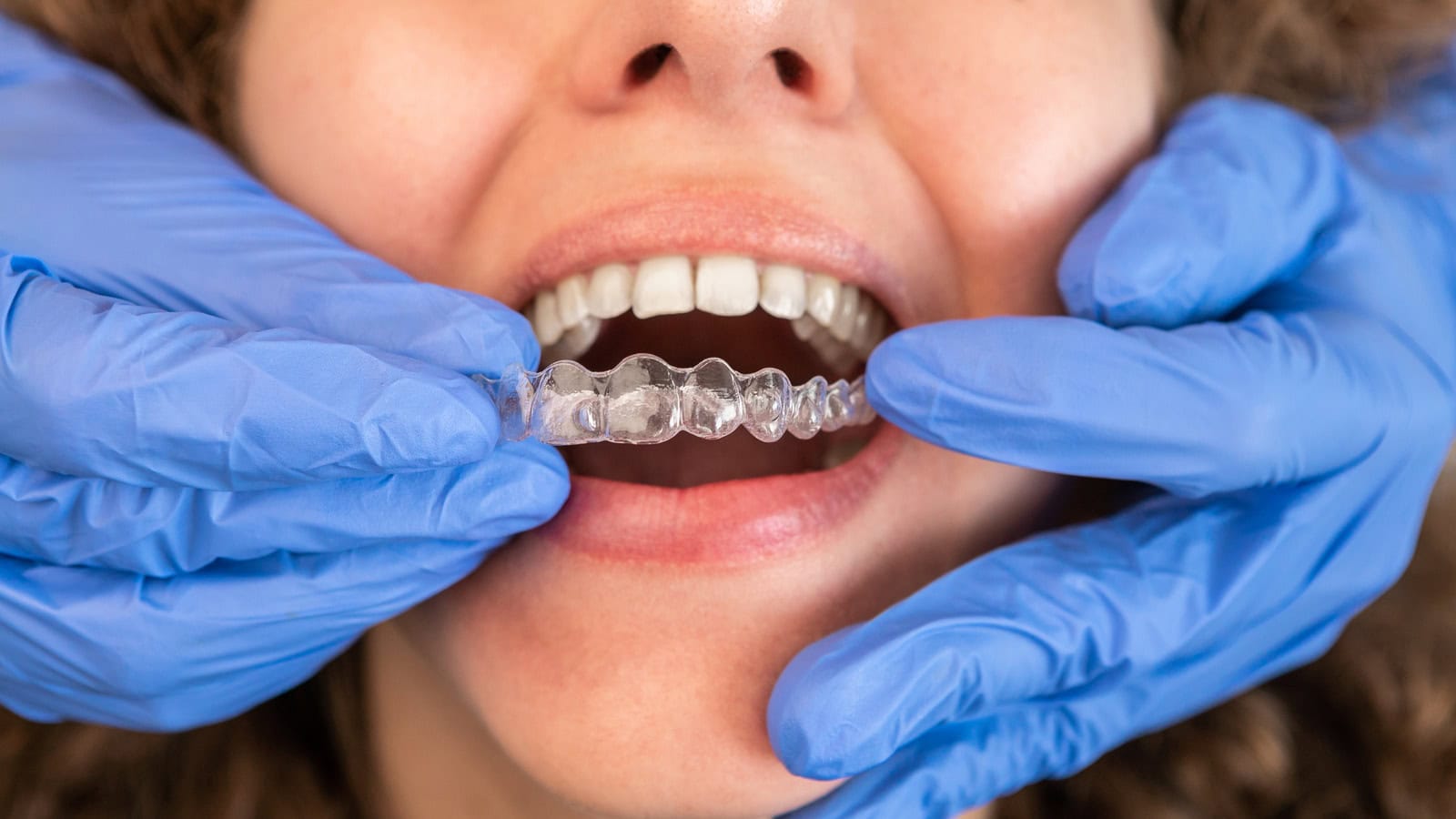
Depending on your teeth complexity and how often you wear your Invisalign braces, Invisalign treatment in St. Augustine typically takes 6 to 18 months. Some cases can be finished in about 6 months. Other complex cases can take around 2 years. Your timeline depends on a few key factors, many of which you can control. It is really good news.
In this guide, we will help you know the normal timeline, factors that can speed up or slow down treatment, what to expect at your appointments and the differences between adults and teens. This way, you can plan for treatment, set achievable targets, and feel confident throughout your treatment journey, from scan to retainer.
How Long Does Invisalign Treatment Usually Take?
According to Invisalign, the average treatment time for adults is about 12-18 months, and some cases may take less time. The following table shows the typical treatment length for each case type. Remember, these are guidelines, and your orthodontist can give the actual timeline after examining your teeth.
Case Type |
Typical Length |
What It Usually Involves |
| Minor alignment | About 6 months | Mild crowding, slight spacing, or cosmetic touch-ups |
| Average case | About 9 to 18 months | Moderate crowding or spacing with a small bite correction |
| Complex case | 18 months to 2 years | Severe bite issues, deep overbites, or heavy crowding |
What Factors Affect Invisalign Treatment Time?

The three factors that can impact Invisalign treatment time are the complexity of your tooth alignment, whether you have bite issues, and how regularly you put your aligners on. Refinements and attendance at check-ins also affect the total time. Knowing these factors helps you set realistic expectations.
The Complexity of Tooth Alignment
The more your teeth move, the longer treatment takes. When spacing is mild rather than heavy crowding, less movement is needed. Rotated teeth also need extra time. A digital scan shows how much tooth movement is needed, and your orthodontist will suggest how many trays your case will use.
Bite Problems and Orthodontic Needs
Overbites, underbites, and crossbites need more planning as the jaw and teeth must move together. Therefore, bite correction takes time. Additional fine-tuning at the end of the series of impressions is sometimes needed(refinements)
Wearing Aligners as Recommended
Invisalign says you should wear aligners 20 to 22 hours a day to get the desired results. You take them out to eat, drink (anything but water), and brush. Your teeth move most during the day when the trays are in, and you control it.
How Does Invisalign Move Your Teeth?
Invisalign applies gentle, steady pressure to your teeth by a series of custom-built clear aligners. Each tray is slightly different from the next, so your teeth move a little at every stage. Your digital treatment plan outlines each and every step from beginning to end.
Most patients will move to a new set of aligners every 1-2 weeks, as recommended by their orthodontist. Do not stop or switch out of sequence, as this can leave teeth behind the plan. The light pressure that some feel for one or two days after each switch is normal and fades rapidly. Each tray moves your teeth a bit, but with consistent steps, you can see a major change.
What Happens During an Invisalign Consultation?
In an Invisalign consultation, your orthodontist will evaluate your bite and your teeth and take a digital scan or photo. Then, they will tell you if Invisalign is right for you. You’ll also learn the expected treatment duration, the number of trays, and what to do afterward. Most visits conclude with a definite plan. This is an ideal time to ask about the schedule. An expert orthodontist can show you how your teeth could shift and give you a realistic timeline.
How Often Do You Need Invisalign Checkups?
No matter what your orthodontist sets as the exact schedule, most patients are seen every 6 to 8 weeks. These visits ensure your aligners fit correctly and your teeth are progressing on plan. Photos and virtual care also help to check progress.
Invisalign usually schedules visits at intervals to ensure proper aligner placement. By attending all appointments, your orthodontist can catch small issues early, such as a tray that doesn’t fit or a tooth that is lagging, and keep your timeline on track.
Can You Speed Up Invisalign Treatment?
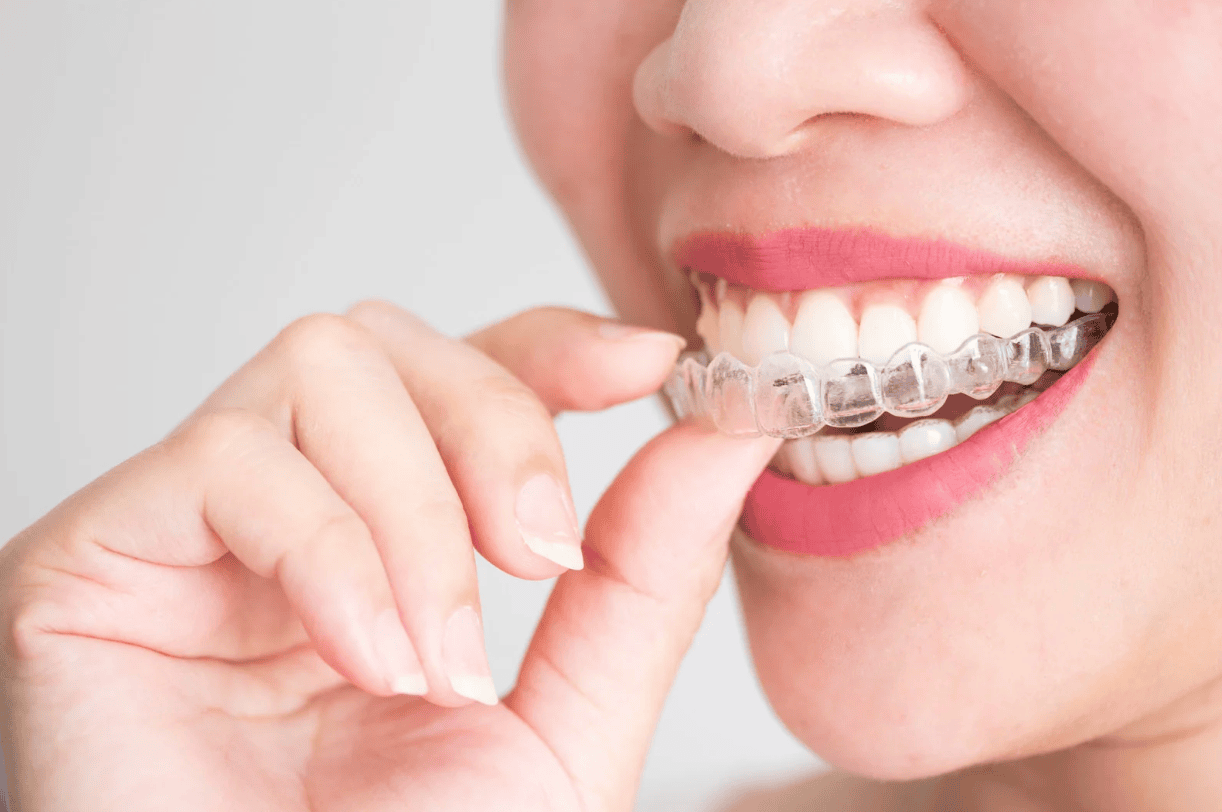
You can often keep Invisalign on schedule, and sometimes shorten it, by doing the following: wear your Invisalign 20-22 hours a day, change trays on time, and attend all appointments. Your plan is the quickest way to move teeth. Overspeeding will actually delay results.
Good habits are also important. Brush before putting trays back in, keep trays in a case when they’re out of place, and use any chewies your orthodontist gives you, since they fit trays snugly. Some practices also suggest additional tools, so ask what is best for you.
What Happens If You Do Not Wear Your Aligners Enough?
If you don’t wear your aligners enough, your teeth will move more slowly, your trays may no longer fit, and treatment will take longer. Wearing trays less than recommended can extend your timeline by months. The easiest method to prevent delays is to wear them consistently.
If your tray doesn’t fit, your orthodontist may ask you to get a replacement set or have the trays remade. When you fall off schedule, get back on it immediately and notify your orthodontist.
Invisalign Treatment for Adults vs. Teens
Adults and teens often take a similar amount of time with Invisalign, but with different factors. Adults generally have fully grown jaws and may have older dental work. Teens typically do not have fully formed jaws and may need continued discipline to wear them. Both will do well given proper care.
According to Invisalign, the treatment period for adults typically is 12-18 months. Parents’ help reminds teens to bring their trays to school and sporting events. Your orthodontist can recommend the most suitable option for your case and your age, and the duration of each stage.
FAQs
Can Invisalign Straighten Teeth in Six Months?
According to Invisalign, for mild cases, it takes almost 6 months to straighten teeth using Invisalign. Remember, more complex cases can take longer, so the best way to know is to get an exam.
How Many Hours a Day Should You Wear Invisalign?
Wear Invisalign 20 to 22 hours/day, and only take it out to eat, drink anything except water, and brush.
Does Invisalign Take Longer Than Braces?
Not always! In mild to moderate cases, treatment times are almost the same, and complex cases may need either option for a similar length. Your orthodontist will compare them for your bite.
How Often Should You Change Invisalign Aligners?
Patients should change their aligners about every 1 to 2 weeks. But your orthodontist will give you a specific schedule.
Final Thoughts
Invisalign in St. Augustine typically takes 6 to 18 months. And these are only complex cases that take more than 2 years. The actual timeline depends on your alignment, your bite, and how you wear them. Use the trays 20-22 hours a day, keep your appointments, and you’ll feel much better. There is no guesswork with a personal plan.
St. John’s Orthodontics helps patients in St. Augustine understand their Invisalign timeline and stay on track. Schedule a consultation with St. John’s Orthodontics today.

St. Johns Orthodontics



A Smile Can Change Everything
Braces & Invisalign for kids, teens & adults in St. Augustine, FL. Affordable monthly payments — get started today!
Request Free Consult