


Finding the right orthodontist can feel like a lot. With so many options available, figuring out which provider will actually deliver the results you want takes a little homework. The answer starts with asking the right questions before you ever sit in the treatment chair.
Choosing an orthodontist isn’t just about finding someone who can straighten teeth. It’s about finding a provider whose expertise, communication style, and treatment approach align with your goals. Whether you’re considering braces for yourself, your teen, or your child, this guide walks you through exactly what to look for and what to ask when finding a top orthodontist before booking that first visit.
What Makes an Orthodontist a “Top” Orthodontist?
A top orthodontist stands out through specialized training, verified credentials, and proven patient outcomes. Unlike general dentists, orthodontists complete two to three additional years of residency training focused exclusively on tooth movement, jaw alignment, and facial development. Board certification from the American Board of Orthodontics, along with active membership in professional organizations, signals a provider who has gone well beyond minimum requirements.
Board certification from the American Board of Orthodontics represents the highest level of professional achievement in the field. Orthodontists who pursue this voluntary certification go beyond minimum requirements through rigorous examinations and case reviews. According to the American Association of Orthodontists, board-certified orthodontists have proven their clinical expertise through a thorough evaluation process.
Beyond credentials, a top orthodontist offers multiple treatment options. Look for practices that provide traditional braces, Invisalign, and other appliance systems. This matters because it means your treatment recommendation is based on what works best for your specific case, not limited by what the office happens to offer.
Patient reviews tell the real story, especially when they include before-and-after photos showing actual results. Five-star reviews with detailed descriptions of the patient experience reveal what you can expect from your free consult through completion. Look for providers who invest in continuing education and stay active in professional organizations like the AAO. That ongoing learning signals a provider who keeps up with the latest orthodontic technology and evolving best practices.
How to Evaluate an Orthodontist Before You Book: A Step-by-Step Process
Finding the right orthodontist doesn’t happen by accident. Follow this approach to make a confident choice.
Step 1: Research Credentials and Board Certification
Start by verifying that potential providers are actually orthodontists, not general dentists offering orthodontic services. Check their educational background and look for board certification. This info is usually available on practice websites or through the American Board of Orthodontics directory.
Step 2: Read Online Reviews Carefully
Patient reviews offer insights no website can provide. Look for recurring themes in the feedback. Maybe multiple reviewers mention friendly team members or clear communication about affordable monthly payments. Those patterns tell you more than any single five-star rating.
Here’s a good test: pay attention to how the practice responds to reviews. Detailed owner responses to patient feedback show genuine care for the patient experience. If a practice takes the time to reply thoughtfully to both positive and negative reviews, that tells you something about how they’ll treat you.
Step 3: Evaluate Treatment Options and Schedule a Free Consult
A practice offering braces and Invisalign can match recommendations to your needs. Some offices specialize in specific treatments, while others provide the full range. Make sure the practice you’re considering offers what you’re interested in.
Most quality orthodontic practices offer free consults. Take advantage of this. Before your visit, write down your questions and bring them with you.
Step 4: Assess the Office Experience
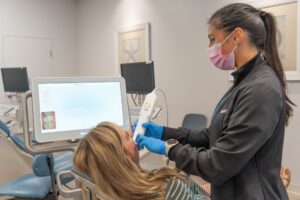
Your free consult reveals more than treatment options. Notice the latest orthodontic technology in use. Observe how team members interact with patients of all ages. These details matter because you’ll be returning every six to eight weeks throughout treatment.
Why Asking the Right Questions Leads to Better Orthodontic Outcomes
How Do Questions About Treatment Options Improve Results?
Patients who ask questions get better results. It’s that simple.
When you understand your treatment options fully, you choose the approach that fits your lifestyle. A busy professional might prefer Invisalign for its removability. A teen might do better with braces that don’t require the discipline of wearing aligners twenty-plus hours daily. Asking about these differences helps you make the right call.
Questions about treatment timelines set realistic expectations from day one. The orthodontic experience typically spans twelve to twenty-four months, but your specific case may differ. Knowing what to expect prevents frustration and helps you plan around important life events.
How Does Understanding Costs Lead to a Better Experience?
Cost surprises are the worst. When you know exactly what’s included in your treatment fee, whether retainers and follow-up visits are covered, and what affordable monthly payments look like, you can budget confidently. No one wants financial stress added to an already significant decision.
Asking about the orthodontist’s experience with cases like yours builds trust. Has the orthodontist treated similar bite issues before? What results did those patients achieve? Specific questions yield specific answers that help you feel confident in your choice.
Patients who understand their treatment plan tend to follow it more consistently. When you know why you need to wear your aligners or elastics, you’re more likely to do it every day. Better compliance means better results and potentially shorter treatment time.
Orthodontist vs. Dentist for Braces: Who Should You Trust With Your Smile?
Orthodontists differ from general dentists in specialty training, case complexity, and board certification. Here’s how they compare:
| Factor | Orthodontist | General Dentist |
|---|---|---|
| Specialty Training | 2-3 years residency (4,500+ hours of specialty training) focused on tooth movement | General dental education only |
| Case Complexity | Handles simple to severe cases | Limited to basic alignment |
| Treatment Focus | Bite correction, jaw alignment, facial development | May offer basic aligners |
| Board Certification | Available through American Board of Orthodontics | Not applicable |
| Typical Outcomes | Predictable results across case types | Variable for complex cases |
That two-to-three-year residency? It focuses entirely on moving teeth, correcting bites, and guiding jaw development. General dentists are excellent at what they do, but they simply don’t get that depth of orthodontic training.
Board-certified orthodontists pass rigorous examinations demonstrating clinical expertise. They present actual patient cases for review by their peers. This level of accountability doesn’t exist for general dentists providing orthodontic services.
For complex cases, specialist care typically yields more predictable results. Patients of all ages benefit from this focused expertise, whether they’re seven years old or seventy.
Key Cost Questions to Ask Your Orthodontist Before Starting Treatment
The main factors that affect your orthodontic treatment cost are case complexity, treatment duration, treatment type (braces vs. Invisalign), what’s bundled into the fee, and your insurance coverage. Before your free consult, knowing the right questions to ask helps you understand exactly what you’re paying for.
“What’s included in the total treatment fee?”
Get a full breakdown. Does the fee cover all office visits? What about retainers after active treatment wraps up? Emergency visits? X-rays and records? Some practices bundle everything into one fee, while others charge separately. Knowing this upfront prevents unexpected bills.
“What affordable monthly payments do you offer, and do you accept my insurance?”
Many practices offer flexible plans with affordable monthly payments. Ask about in-house financing, third-party payment plans, and whether interest applies. If you have orthodontic coverage, confirm the practice accepts your plan and ask how they handle insurance claims.
“How does treatment type affect what I’ll pay?”
Traditional braces, Invisalign, and lingual braces (placed behind teeth) all come at different price points. Understanding these differences helps you weigh your options realistically.
“What factors determine my specific treatment cost?”
Case complexity and estimated treatment duration are the main cost drivers. Your free consult should include an estimate based on your specific needs, not a generic range pulled from a brochure.
Who Is a Good Candidate for Orthodontic Treatment?
Here are a few signs it might be time to schedule that first visit.
- You notice alignment issues. Crowding, spacing, overbite, underbite, or crossbite all warrant professional evaluation.
- You’re unhappy with your smile. If misaligned teeth affect your confidence, the right treatment can help.
- Your child is around age seven. The AAO recommends an initial evaluation by this age to catch developing issues early.
- You’ve been putting it off. If orthodontic care has been on your mind for months or years, a free consult removes the guesswork.
- You want options, not pressure. Quality practices provide information and recommendations without high-pressure sales tactics. You deserve to make this decision on your own terms.
Both children and adults benefit from orthodontic evaluation. Adults get great results at any age, and more adults than ever are choosing orthodontic care. Invisalign fits busy lifestyles particularly well, making it a popular choice for working professionals and parents alike.
Virtual consults offer a convenient first step if your schedule makes in-person visits difficult. Many practices now provide this option for initial assessments.
Good candidates share one key trait: they show up and follow through. Attending scheduled visits, sticking to your treatment plan, and maintaining good oral hygiene throughout your orthodontic experience all contribute to successful outcomes.
Frequently Asked Questions About Finding the Right Orthodontist
How long does the orthodontic experience typically take?
Most treatment takes twelve to twenty-four months, depending on case complexity. Simple spacing or crowding issues may resolve faster, while significant bite corrections may take longer. Your orthodontist provides a timeline estimate during your free consult based on your specific needs.
What happens if I don’t follow my treatment plan?
Skipping visits, not wearing aligners as directed, or neglecting elastics delays your results. In some cases, inconsistency can extend treatment time significantly or compromise final outcomes. Following your plan consistently produces the best results in the shortest time.
Will I need a retainer after braces or Invisalign?
Yes. Retainers are essential for maintaining your results long-term. Teeth naturally want to shift back toward their original positions, especially in the months right after active treatment ends. Your orthodontist will recommend a retainer protocol, typically involving nightly wear at first and then reduced frequency over time.
How often will I need office visits during treatment?
Expect visits every six to eight weeks throughout active treatment. These visits allow your orthodontist to monitor progress, make adjustments, and address any concerns. Some treatment types may require slightly more or less frequent visits.
What should I bring to my first free consult?
Come prepared with your insurance information, any relevant dental records or X-rays, and your list of questions. If you’ve had previous orthodontic care, bring any records from that time. Most importantly, bring your questions. A good free consult answers everything you want to know about your potential treatment.

St. Johns Orthodontics
Dr. Ouellette and his team are committed to providing the finest quality orthodontic treatment with affordable monthly payments and an enjoyable experience for every patient. Schedule your free consultation today — a smile can change everything!
Request Your Free Consult

A Smile Can Change Everything
Braces & Invisalign for kids, teens & adults in St. Augustine, FL. Affordable monthly payments — get started today!
Request Free Consult